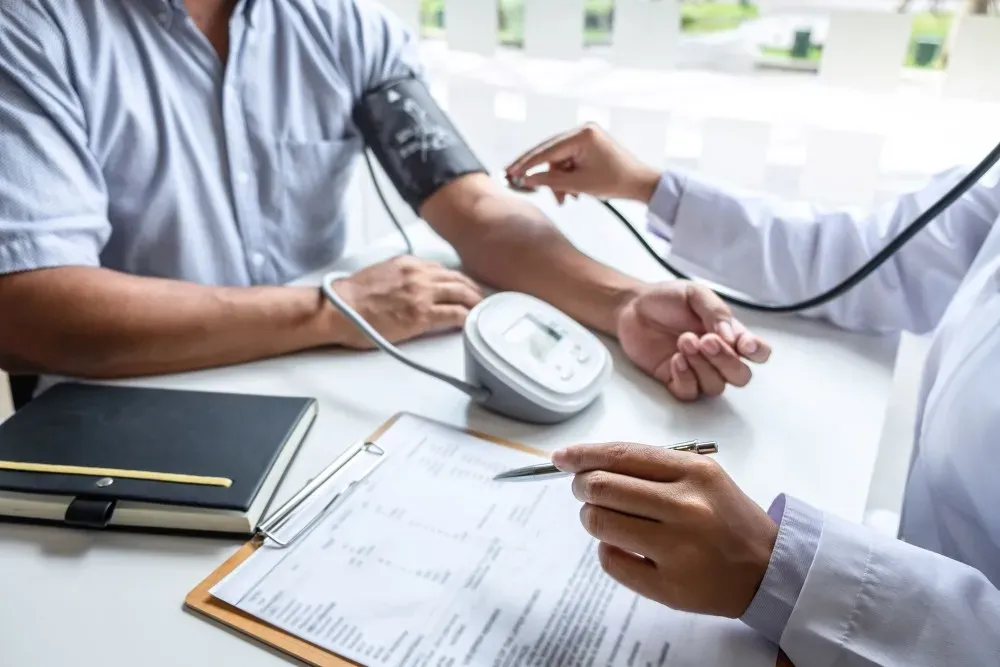
Medical research has shown for decades, and new, large-scale studies back those findings: Uncontrolled blood pressure (BP) is one of the leading controllable contributors to stroke.
Unfortunately, high blood pressure — or hypertension— rarely announces itself. You can feel perfectly fine, go about your daily routine, and not realize that the force of blood against your artery walls is putting your health at risk.
Fortunately, with regular monitoring, informed lifestyle choices, and medication when needed, you can significantly lower your stroke risk.
At Advanced Heart Care Associates in Las Vegas and Henderson, Nevada, our expert team specializes in helping you live as healthy as possible. Let’s take a look at the connection between hypertension and stroke, and steps you can take to protect your long-term health.
How high blood pressure increases stroke risk
Blood pressure measures the force of blood pushing against your artery walls. When that pressure stays elevated over time, it puts extra strain on blood vessels throughout your body, including those that supply your brain.
This damage can contribute to two major types of stroke:
Ischemic stroke
Accounting for nearly 90% of all strokes, an ischemic stroke occurs when a blood clot blocks blood flow to part of the brain. High blood pressure can damage artery walls and accelerate atherosclerosis (plaque deposits), a major contributor to clot formation.
Hemorrhagic stroke
This type of stroke happens when a blood vessel in the brain ruptures and bleeds. Persistent hypertension weakens blood vessel walls, increasing the risk of hemorrhagic stroke.
Because high blood pressure typically causes no noticeable symptoms as it stiffens and weakens blood vessels, routine screening that spots the problem early is essential, even when you feel healthy.
Know your BP numbers before problems develop
A blood pressure reading includes two numbers: systolic pressure when your heart beats, and diastolic pressure, or the pressure between beats.
For most adults, normal blood pressure is below 120/80 mm Hg. Readings consistently at or above 130/80 mm Hg fall within the hypertension range under current guidelines.
One elevated reading doesn’t necessarily mean you have hypertension. Blood pressure fluctuates throughout the day, and stress, caffeine, and physical activity can temporarily affect your results.
Thus, checking your blood pressure regularly, both at healthcare appointments and at home when recommended, can help identify a problem early. For home checks, we recommend using a validated upper-arm monitor, available at many retailers for a relatively low cost.
We also recommend keeping a record of your readings. With this information, our team can interpret your readings in context and determine whether treatment is appropriate. Periodic readings also help alert us (and you) to a problem with your current treatment strategy.
Practical ways to lower your blood pressure
Small, consistent changes can make a meaningful difference in cardiovascular health. Start with these evidence-based strategies:
Cut back on sodium
Too much sodium can raise your blood pressure. Limit heavily processed foods, packaged snacks, and restaurant meals, and choose lower-sodium alternatives whenever possible.
Build a heart-healthy diet
A heart-healthy eating plan emphasizes fruits, vegetables, whole grains, beans, nuts, and low-fat dairy products. It also limits saturated fat, sodium, added sugars, and alcohol.
Get moving
We encourage our patients to aim for at least 150 minutes of moderate-intensity aerobic activity each week, such as brisk walking, cycling, and swimming, unless your healthcare provider recommends otherwise.
Maintain a healthy weight
If you're carrying excess weight, even modest weight loss can help lower your BP numbers.
Limit alcohol and avoid tobacco
Drinking less alcohol can support healthier blood pressure, while quitting smoking protects your blood vessels and reduces your overall cardiovascular risk.
Take action today to protect your brain
Healthy habits are important, but they don’t always bring blood pressure into a safe range on their own. Genetics, age, certain medical conditions, and other individual risk factors can all influence your blood pressure.
Thus, combining appropriate medication with sustainable lifestyle changes provides the strongest protection against hypertension and stroke for many people.
Hypertension treatment in Henderson and Las Vegas, Nevada
For effective blood pressure monitoring and management that’s focused on your overall health, schedule an evaluation at your nearest Advanced Heart Care Associates office in Henderson or Las Vegas, Nevada: Give us a call today or request an appointment online anytime.